
A baby blessing is a religious or spiritual ceremony in which an infant is formally welcomed into a faith community, given a name or dedication, and blessed through prayer by parents, a religious leader, or family members. The ceremony differs across traditions — Christian dedications, LDS naming ordinances, Catholic blessings, Jewish brit milah-associated blessings, Islamic aqiqah, and non-religious welcoming ceremonies each follow distinct procedures and wording.
What Is a Baby Blessing?

A baby blessing is a ceremony that formally welcomes an infant into a family’s faith community and invokes divine protection, guidance, or goodwill over the child’s life. The purpose is to celebrate the child’s arrival, bestow a spoken blessing or prayer, and in many traditions, publicly commit to raising the child within a faith or values system.
Parents seek a baby blessing for several reasons. For religious families, the ceremony fulfills a scriptural or doctrinal practice. For others, it marks a formal introduction of the child to their community. Some families want a structured way to express their hopes for their child’s future, surrounded by people who will support that child’s growth.
The emotional atmosphere of a baby blessing is unlike any other family gathering. The room quiets as the officiant or parent begins to speak. Parents often cry quietly during the blessing — the weight of the moment, the public declaration of love and commitment, the awareness that this small life is entrusted to them. When the blessing ends, a collective “Amen” or murmur of affirmation rises from those gathered. These ceremonies typically last 10 to 30 minutes.
Baby Blessing vs. Baby Shower — What’s the Difference?

A baby blessing and a baby shower are separate events. A baby shower is a gift-giving celebration held before the baby’s birth, often in the third trimester. A baby blessing is a religious or spiritual ceremony held after the baby is born, focused on prayer, dedication, or naming — not on gifts. If you were invited to a baby blessing, you are attending a ceremony, not a shower.
Baby Blessing vs. Baptism — Are They the Same?
A baby blessing is not the same as a baptism. Baptism is a sacrament in Catholic, Orthodox, and many Protestant churches that involves water and signifies spiritual regeneration or entry into the church. A baby blessing or dedication does not involve water and is not a sacrament. In The Church of Jesus Christ of Latter-day Saints, a baby blessing is explicitly not a saving ordinance — baptism occurs later, at age 8 (source: The Church of Jesus Christ of Latter-day Saints, Gospel Topics entry on Baptism, churchofjesuschrist.org). In many Protestant churches, a baby dedication is a parent-led commitment ceremony, while baptism is reserved for believers who can make a personal profession of faith.
Baby Blessing Traditions Across Religions and Cultures

Baby blessing traditions exist across Christianity, Judaism, Islam, and in secular forms. Each tradition defines who officiates, what is said, where the ceremony takes place, and at what age the child is blessed.
Christian Baby Dedications

In Protestant and Evangelical churches, a baby dedication is a ceremony where parents publicly present their infant to the church congregation and commit to raising the child in the Christian faith. A pastor or minister typically officiates. The pastor may hold the baby and walk down the aisle to present the child to the congregation — a tradition in some Baptist and non-denominational churches that creates a personal connection between the family and the faith community. The parents make spoken promises, the pastor prays a prayer of dedication over the child, and the congregation often pledges to support the family. No water is used, and the ceremony is not a baptism. Denominations that practice believer’s baptism by immersion — such as Southern Baptists, Assemblies of God, and many non-denominational churches — use baby dedication instead of infant baptism.
LDS (Mormon) Baby Blessing

In The Church of Jesus Christ of Latter-day Saints, a baby blessing is a formal priesthood ordinance. It is not a saving ordinance — it does not remit sin or confer church membership. Baptism occurs at age 8 (source: churchofjesuschrist.org, Gospel Topics, Baptism).
The blessing is performed by a Melchizedek Priesthood holder — typically the baby’s father, a grandfather, or another priesthood holder the family invites. Multiple priesthood holders stand in a tight circle around the infant. One man holds the baby in his hands while another speaks the blessing. The voice that gives the blessing is the only sound in the room. The congregation sits in complete silence.
The ordinance typically occurs during a sacrament meeting on fast Sunday — the first Sunday of the month — within the first few months of the infant’s life. The child’s full name is formally recorded as part of the blessing. The person voicing the blessing speaks by inspiration; there is no set script. The blessing often includes words about the child’s future, spiritual gifts, and life path.
The mother does not stand in the circle. She participates by bringing the baby forward before the ordinance and receiving the child afterward. Both parents are central to the event, though roles differ by priesthood structure.
Source for LDS naming and blessing procedure: The Church of Jesus Christ of Latter-day Saints, General Handbook, Section 18.6, “Naming and Blessing Children,” available at churchofjesuschrist.org.
Catholic Baby Blessing and Christening

In the Catholic Church, the primary infant ceremony is baptism — also called christening — which involves pouring water over the infant’s head while the priest or deacon says the Trinitarian formula. This is a sacrament that cleanses original sin and incorporates the child into the Church.
A separate “blessing of a child” may be performed for families not yet ready for baptism or in situations where full baptism is delayed. This blessing is not a sacrament and does not replace baptism. It is a simple prayer service led by a priest, deacon, or lay minister. The Church encourages baptism to occur within the first few weeks after birth (source: Code of Canon Law, Canon 867, vatican.va).
Jewish Baby Blessing Traditions
For Jewish boys, the brit milah (covenant of circumcision) takes place on the eighth day after birth. The ceremony includes a circumcision performed by a mohel, the formal naming of the child, and blessings recited over wine. One traditional blessing includes the words: “Blessed are You, Adonai our God, Sovereign of the universe, for the wonder we have experienced.”
For Jewish girls, families may hold a simchat bat (celebration of a daughter) or a baby naming ceremony in the synagogue, where the child receives her Hebrew name and a blessing is spoken over her. These ceremonies may occur on a Torah-reading day — Monday, Thursday, or Saturday — within the first few weeks after birth.
Islamic Baby Blessing (Aqiqah)
In Islam, the aqiqah is a sunnah practice traditionally performed on the seventh day after a child’s birth. The ceremony includes shaving the baby’s head, giving charity equivalent to the weight of the hair in silver, sacrificing one or two sheep (the meat is distributed to family, neighbors, and the poor), and formally naming the child. A date softened with saliva is placed on the baby’s palate in a practice called tahnik. Family and community members offer prayers for the child’s health, good character, and protection from the evil eye. If the seventh day is not possible, the aqiqah may be performed on the fourteenth, twenty-first, or a later day.
Non-Religious and Secular Baby Blessings
Families without religious affiliation increasingly choose to hold a baby welcoming ceremony. Also called a naming ceremony or baby celebration, the event is led by a certified celebrant, a family member, or a close friend. The ceremony may include readings of poetry or prose, parental promises or affirmations, candle lighting, music, and a formal introduction of the child by name. The content is entirely customizable. Parents who want the structure and significance of a blessing without religious language choose this option.
Interfaith Baby Blessing Ceremonies
When parents come from different faith traditions, a baby blessing can incorporate elements from both. An interfaith ceremony may involve two officiants — a rabbi and a pastor, for instance — or a single officiant who crafts wording that respects both traditions. The key is early communication with both faith communities about what each requires and permits. Some families hold two separate ceremonies; most choose one blended event. The child’s formal religious education and identity may be addressed later, but the blessing itself focuses on unity, love, and welcome.
For a related life moment, see wedding blessings.
What Happens at a Baby Blessing Ceremony?
A baby blessing ceremony follows a structured order of events, though specifics vary by tradition. Most ceremonies last between 10 and 30 minutes and occur during a regular worship service or as a standalone gathering. Before the ceremony, families coordinate with the officiant, confirm the date and venue, prepare any written blessing text, and communicate details to invited guests.
Order of Events at a Baby Blessing
Here is the typical sequence, step by step:
- Opening Prayer — The officiant or a designated family member opens with a short prayer or invocation.
- Welcome and Introduction — The officiant welcomes the congregation or guests and introduces the family.
- Scripture Reading or Brief Message — A short reading, often Numbers 6:24-26, Psalm 139, or a passage chosen by the parents.
- The Blessing — The parent, officiant, or priesthood holder speaks the blessing over the infant. The child may be held by the father, mother, or officiant during this moment. In LDS tradition, the blessing is spoken by voice of a Melchizedek Priesthood holder while others stand in a circle.
- Formal Naming — In LDS ordinances and some Jewish and Islamic traditions, the child’s full name is formally announced. In many Christian dedications, the child is introduced by name but without a formal naming step.
- Parental Promises or Affirmations — Parents verbally commit to raising the child in their faith or values. In some traditions, the congregation also pledges support.
- Closing Prayer — A final prayer of thanksgiving and blessing for the family.
- Presentation and Dismissal — The officiant may present the child to the congregation or guests. Guests are invited to greet the family and any reception that follows.
This order is a framework. Families adjust it to their tradition and preferences. A non-religious ceremony replaces prayers with readings and the blessing with parental affirmations, but the structure remains similar.
Baby Blessing Wishes, Prayers, and Quotes — What to Say

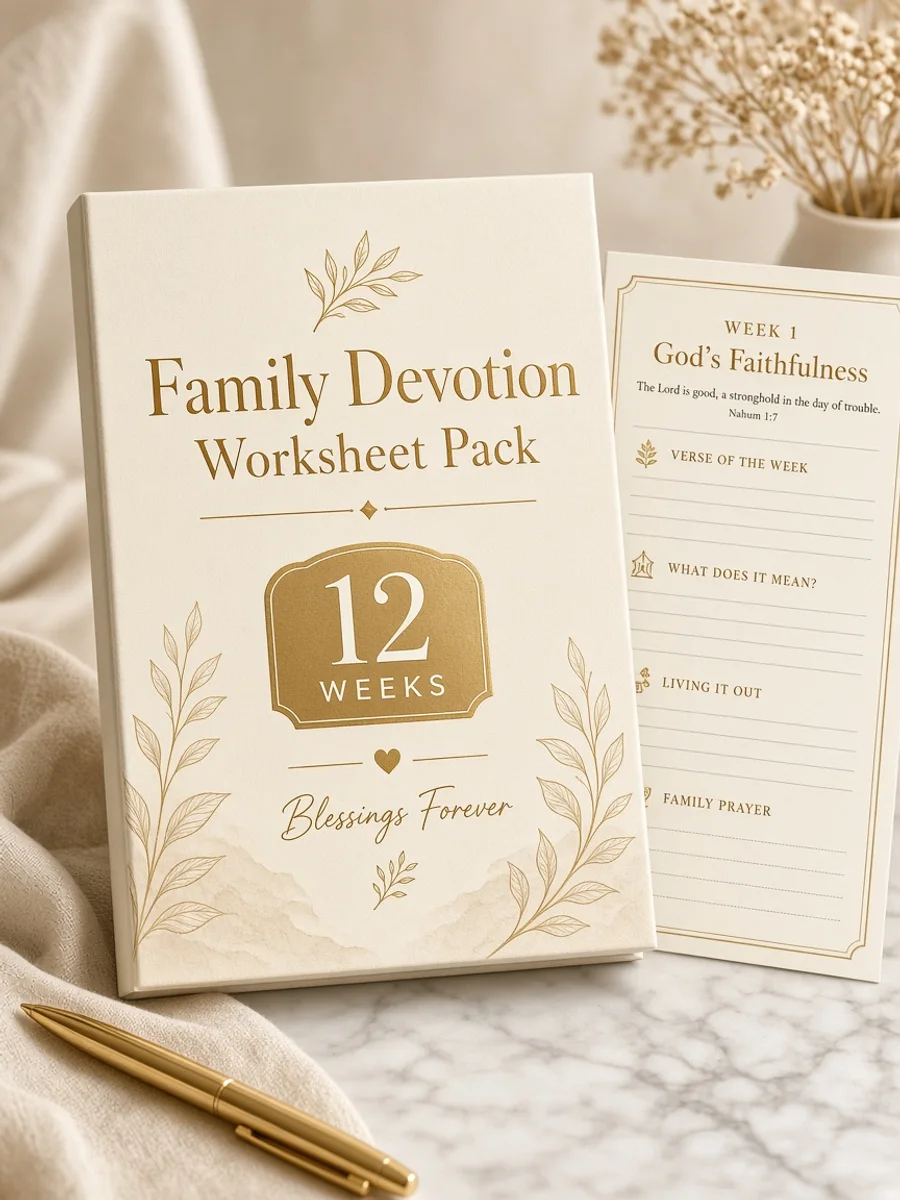
Printable prayer tools
Keep praying from “Baby Blessing Wishes, Prayers, and Quotes — What to Say”
Journals and prompt cards that turn this prayer section into a daily habit.
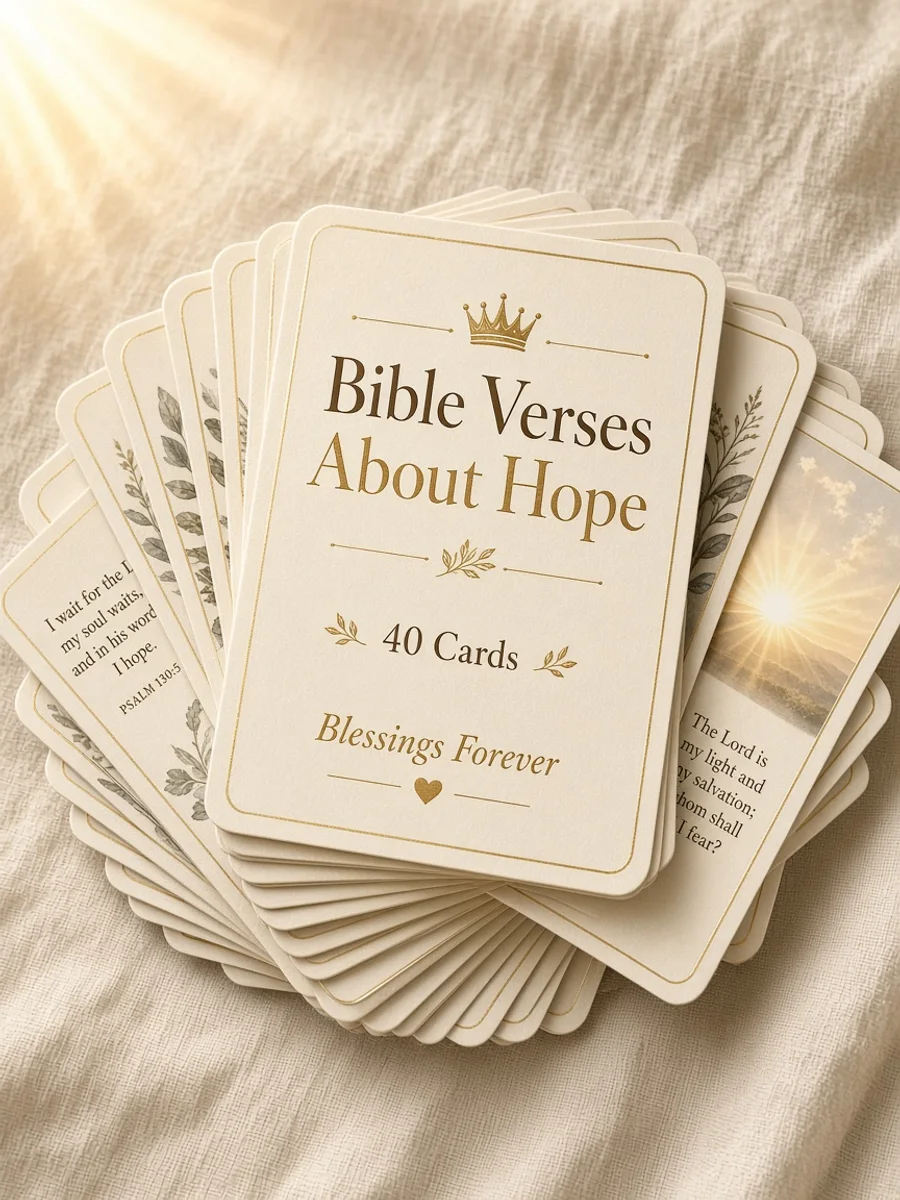
The words spoken over a child at a baby blessing carry weight. Whether you are a parent preparing a blessing to speak, a guest writing a card, or an officiant crafting a prayer, the right words make the moment. Below are wording examples organized by who is speaking and the occasion.
For Parents: Baby Blessing Prayers to Speak Over Your Child
Parents who choose to speak a blessing themselves can use one of these prayers as a starting point or write their own. A spoken blessing ideally runs 60 to 90 seconds — long enough to be meaningful, short enough to hold attention.
Christian Dedication Prayer
Father, thank You for this precious child. We dedicate [Child’s Name] to You today. We pray for protection over this little one’s life, for health in body and mind, and for a heart that seeks You early. We commit to raising [Child’s Name] in faith, surrounded by people who love You. Guide us as parents. We ask this in Jesus’ name. Amen.
LDS Baby Blessing (Spoken by Inspiration)
In an LDS baby blessing, there is no set script — the priesthood holder speaks by inspiration. A blessing might include elements like: addressing Heavenly Father, stating the child’s full name, blessing the child with health and strength, blessing the child with spiritual gifts and a desire to serve, blessing the child’s future — mission, education, marriage, family — and closing in the name of Jesus Christ. The exact words are not written in advance.
Non-Religious Parent Blessing
[Child’s Name], we welcome you into our family with full hearts. We promise to love you without condition, to guide you with patience, to listen when you speak, and to let you become exactly who you are. May your life be rich with curiosity, kindness, and courage. We are so glad you are here.
How to Write Your Own Baby Blessing
Writing your own blessing is more personal than using a template. Follow this three-part structure:
- Name what you hope for the child’s character. Examples: kindness, courage, integrity, curiosity, faith, joy.
- Name what you hope for the child’s purpose or belonging. Examples: to know they are loved, to find their place in a community, to walk with God, to serve others.
- Close with gratitude. Thank God, the universe, or the community for the gift of this child.
Keep it under 200 words spoken. Practice reading it aloud once before the ceremony. Have a written copy in hand — nerves can make memorization fail.
For Guests: Baby Blessing Congratulations and Wishes
Guests often write a card or speak a brief word of congratulations to the family after the ceremony. These messages work for cards, texts, or social media comments.
Warm and Heartfelt
- “Congratulations on this beautiful blessing. [Child’s Name] is surrounded by so much love.”
- “What a joy to witness this special day. Wishing your family every happiness.”
- “Your little one is so loved. It was an honor to be here for this moment.”
Religious
- “May God bless and keep [Child’s Name] all the days of this precious life.”
- “Praying for a lifetime of faith, health, and joy for your beautiful child.”
- “Blessed are you among parents. May this little one grow in wisdom and grace.”
Short (Under 150 Characters)
- “So much love for your little miracle. Congratulations.”
- “Witnessing today was a gift. Much love to your family.”
- “To beautiful beginnings. Welcome to the world, [Child’s Name].”
- “Over the moon for you and your precious blessing.”
Short Baby Blessing Quotes for Cards and Social Media
These quotes fit in a greeting card, text message, or social media caption. Each is under 150 characters.
- “May your life be filled with sunshine and hope. Welcome, little one.”
- “Bless you to be as beautiful as flowers and as strong as trees.”
- “To beautiful beginnings and a lifetime of love.”
- “You are a little star. Your future is full of possibilities.”
- “May you always walk in light and grow in love.”
First Baby Blessing Quotes
A first child brings a distinct joy. These quotes speak to that unique moment.
- “Your first child changes everything — and today, you blessed that beautiful change.”
- “The first time you hold your baby and speak a blessing over them, you understand what your parents felt.”
- “A first baby is hope made visible. A first blessing is hope made spoken.”
- “May your first child teach you as much as you teach them. Congratulations.”
Baby Boy Blessing Wording
- “Bless this boy with strength of character, gentleness of heart, and a life that honors God.”
- “May he grow in wisdom and stature, and in favor with God and man.”
- “Little man, may your footsteps be guided and your heart be brave.”
Baby Girl Blessing Wording
- “Bless this girl with a spirit of kindness, a mind hungry for truth, and a heart full of grace.”
- “May she know her worth, speak her mind, and walk in love all her days.”
- “Sweet girl, may you always feel the love that filled this room today.”
Bible Verses for Baby Blessings

These verses are commonly read or quoted during baby blessing ceremonies. Each is taken from the New International Version (NIV), accessible at biblegateway.com.
- Numbers 6:24-26 — “The Lord bless you and keep you; the Lord make his face shine on you and be gracious to you; the Lord turn his face toward you and give you peace.” This Aaronic blessing is the most widely used baby blessing verse across Christian and Jewish traditions.
- 1 Samuel 1:27 — “I prayed for this child, and the Lord has granted me what I asked of him.”
- Jeremiah 29:11 — “‘For I know the plans I have for you,’ declares the Lord, ‘plans to prosper you and not to harm you, plans to give you hope and a future.'”
- Jeremiah 1:5 — “Before I formed you in the womb I knew you, before you were born I set you apart.”
- Psalm 139:13-14 — “For you created my inmost being; you knit me together in my mother’s womb. I praise you because I am fearfully and wonderfully made.”
- Psalm 32:8 — “I will instruct you and teach you in the way you should go; I will counsel you with my loving eye on you.”
- Mark 10:16 — “And he took the children in his arms, placed his hands on them and blessed them.”
How to Deliver a Baby Blessing Without Falling Apart

Speaking a blessing over your own child is emotionally overwhelming. Parents cry during these moments — it is expected and completely acceptable. Pause and breathe if you choke up. Keep a tissue in your pocket or ask your partner to hold one. Have a printed copy of your blessing in hand even if you think you have it memorized; nerves erase memory. If you cannot continue speaking, hand the written copy to the officiant to finish reading. No one judges a parent overcome with love.
3 Common Mistakes When Writing a Baby Blessing
- Making it too long. A spoken blessing is not a sermon. Aim for 60 to 90 seconds spoken aloud. That is roughly 150 to 200 words. Longer blessings lose the room.
- Forgetting to name the child. Under the pressure of the moment, parents sometimes speak beautiful words without ever saying the baby’s name. Write the child’s name at the top of your page in large letters.
- Using language that excludes. If the gathering includes people from different faiths or no faith, avoid phrases that might alienate half the room — unless the parents have specifically chosen a sectarian ceremony. An interfaith blessing uses broad, inclusive language about love, hope, and community.
For a related life moment, see prayers for financial blessing.
Who Performs a Baby Blessing? Roles and Participants
Printable family blessings
Bless family from “Who Performs a Baby Blessing? Roles and Participants”
Family journals and cards that fit the relationships in this section.
The person who performs a baby blessing depends on the religious tradition and the family’s preferences. In most cases, an ordained religious leader, a parent, or a designated family member speaks the blessing.
Religious Officiants — Pastors, Priests, and Bishops
In Protestant churches, a pastor or minister leads the dedication. The pastor typically holds or stands near the baby, prays, and addresses the parents and congregation. In Catholic baptisms, a priest or deacon performs the sacrament. For a simple blessing outside of baptism, a priest, deacon, or lay minister may preside. In LDS practice, a Melchizedek Priesthood holder — typically the baby’s father, a grandfather, or the bishop — voices the blessing. In Jewish ceremonies, a rabbi or mohel officiates. In Islamic aqiqah, the family leads the ceremony; an imam may be present to offer prayers.
Parents as Blessing Speakers
In many Protestant dedication ceremonies and in nearly all non-religious baby blessings, the parents speak the blessing themselves. This is a growing trend — families want the voice speaking over their child’s life to be their own. If you choose to speak the blessing as a parent, write it out, practice it aloud at least three times, and keep a printed copy in your hand during the ceremony.
Godparents, Sponsors, and Guide Parents
The role of godparents varies by tradition. In Catholic baptism, canon law requires at least one godparent who is a confirmed Catholic, age 16 or older, who has received the sacraments of initiation (source: Code of Canon Law, Canon 874, vatican.va). The godparent’s role is to assist the parents in raising the child in the Catholic faith.
Some Protestant churches use “sponsors” or “prayer partners” for baby dedications. These are not legally or canonically binding roles; they are a way for parents to designate trusted adults who commit to pray for and mentor the child. Non-religious ceremonies may include “guide parents” or “mentors” — close friends or family members asked to play a supportive role in the child’s life without religious obligations.
During the ceremony, godparents and sponsors typically stand with the family. In a Catholic baptism, the godparent physically holds the child during certain parts of the rite. In a Protestant dedication, sponsors stand alongside the parents as a visible show of support.
Who Should Attend a Baby Blessing?
The guest list for a baby blessing typically includes immediate family (grandparents and siblings of the baby), extended family (aunts, uncles, cousins), close friends, and when the ceremony occurs during a worship service, the entire congregation. The list is generally broader than a baptism’s, especially for LDS baby blessings where the whole ward is present on fast Sunday. There is no formal attendance requirement — families invite the people who matter most to them.
What Does a Baby Wear to a Baby Blessing? Attire Guide
Baby blessing attire ranges from formal christening gowns to simple white outfits. The most important rule is comfort — a fussy, overheated, or scratchy outfit will make the baby miserable during a ceremony that lasts 10 to 30 minutes. Always pack a backup outfit in the diaper bag; blowouts do not respect ceremony schedules.
Baby Girl Blessing Dresses
White is the traditional color for baby blessing dresses across LDS, Catholic, and many Protestant traditions — it symbolizes purity and newness. Catholic christening gowns are often heirloom pieces made of cotton, silk, or linen, passed down through generations. LDS blessing dresses are typically simple, white, and modest; many families purchase a new dress specifically for the blessing and preserve it afterward as a keepsake. Unlike Catholic gowns, LDS blessing dresses are not usually multi-generational heirlooms, but mothers often keep them in a memory box.
Non-religious ceremonies allow any color. Soft pastels — cream, blush, pale yellow, light blue — are common. Avoid scratchy lace directly against the baby’s skin; a cotton lining underneath makes a significant comfort difference.
Baby Boy Blessing Outfits
Boys wear white or light-colored rompers, formal two-piece sets, or simple white onesies with trousers. LDS tradition favors a simple white outfit — a white button-up shirt with white pants or a white romper. Non-denominational ceremonies allow more flexibility: a formal romper, a tiny suit, or a dress shirt with suspenders. Avoid complicated fastenings. Multiple buttons or ties mean a long delay if you need a mid-ceremony diaper change.
LDS Baby Blessing Attire — What Is Expected
There is no doctrinal requirement for LDS blessing attire beyond modesty and reverence. However, white is the near-universal cultural norm. Most LDS families dress their infant in a white dress or white outfit for the blessing. The clothing should not draw attention away from the ordinance itself. Simple, clean, and modest is the standard.
Seasonal Considerations
- Winter ceremonies: Layer a soft cotton onesie under the formal outfit. Church buildings can be cold. A white or cream blanket over the baby during the blessing can be removed afterward for photos.
- Summer ceremonies: Choose breathable fabrics — cotton or bamboo blends. Overheating is the fastest route to a crying baby mid-ceremony.
- All seasons: Bring a spare outfit. Ceremony-day accidents happen.
Baby Blessing Attire by Tradition
| Tradition | Typical Girl Attire | Typical Boy Attire | Color Norm | Formality |
| LDS | Simple white dress | White romper or shirt/pants | White | Formal, modest |
| Catholic Christening | Heirloom christening gown | White romper or formal outfit | White or cream | Very formal |
| Protestant Dedication | Dress or formal outfit | Romper or suit | White, pastels, or any | Semi-formal to formal |
| Jewish Naming/Brit Milah | Dress or formal outfit | White outfit or formal clothing | White or any | Formal |
| Non-Religious | Any dress or outfit | Any formal or smart outfit | Any color | Flexible |
3 Attire Mistakes Parents Make
- Dressing the baby too warmly. A heated church plus a formal outfit plus a blanket equals an overheated, crying infant. Dress in removable layers.
- Choosing complicated fastenings. Buttons down the back, intricate ties, or multiple snaps slow down diaper changes to the point of panic. Choose simple access.
- Forgetting the backup outfit. Blowouts, spit-up, and diaper leaks do not skip ceremony days. Pack a complete spare outfit in the diaper bag.
For a related life moment, see new home blessings.
Baby Blessing Gift Etiquette and Ideas
Gift-giving at a baby blessing is thoughtful but not universally expected. Unlike a baby shower — where gifts are the focus — a baby blessing ceremony centers on the spiritual or ceremonial welcome of the child. If you attend a baby blessing and want to give a gift, select something meaningful over something expensive. In LDS tradition, gifts are entirely optional; the ordinance is not a gift-giving event.
Religious and Keepsake Gifts
- A personalized children’s Bible or prayer book with an inscription from the date of the blessing
- A small cross or religious medal for the child to wear when older
- An engraved picture frame holding a photo from the ceremony day
- A handmade quilt or crocheted baby blanket — especially one used during the blessing itself
- A written copy of the blessing spoken over the child, printed and framed
Practical Gifts for the Family
- A contribution to a 529 college savings plan or a savings bond
- A set of classic children’s books with handwritten inscriptions
- A meal delivery gift card or a home-cooked meal dropped off the week after the ceremony
- An offer to help with the post-ceremony reception — food, setup, or cleanup
Is It Appropriate to Give Cash?
Yes. Place cash or a check discreetly in a card. There is no fixed amount — give what you can. Cash is particularly helpful for young families managing new-baby expenses.
Gift-Giving Etiquette by Tradition
- LDS: Gifts are not expected. The ceremony is a priesthood ordinance, not a social gift event. A card is always appropriate.
- Catholic Christening: Godparents typically give a meaningful religious gift. Guests may give cards, religious items, or small keepsakes.
- Protestant Dedication: Gifts are optional. A card with a handwritten note is common and appreciated.
- Non-Religious: Gift norms are flexible. Many families prefer books, contributions to an education fund, or practical help.
Planning a Baby Blessing Reception or Gathering
Many families host a small reception or gathering after the baby blessing ceremony. This is typically a casual affair — light refreshments in a church fellowship hall, brunch at the family’s home, or a backyard gathering during warmer months. It is not a formal event. Most receptions last one to two hours.
Reception Planning Checklist
- Venue: Church fellowship hall, family home, or a reserved space at a community center. Book early if using the church hall — multiple families may bless on the same fast Sunday.
- Food: Light brunch fare (pastries, fruit, egg casseroles, bagels), cake and punch, or a potluck where close family members each bring a dish.
- Guest list: The same people invited to the ceremony. You do not need to invite additional guests to the reception.
- Budget: Most families spend between $100 and $500 depending on guest count and whether food is catered. A potluck with homemade dishes keeps costs low.
- Timing: Schedule the reception immediately following the ceremony. Guests will already be gathered.
- Invitations: Include reception details on the ceremony invitation rather than sending a separate card. A simple line — “A light reception will follow” — with the address if different from the ceremony location.
Baby Blessing Invitation Wording

The wording of your invitation should match the tradition of your ceremony.
LDS Naming and Blessing:
“You are invited to the naming and blessing of [Child’s Full Name] on [Date] during the [Ward Name] sacrament meeting at [Time]. A family gathering will follow at [Location].”
Christian Baby Dedication:
“Please join us as we dedicate our son/daughter, [Child’s Name], to the Lord at [Church Name] on [Date] at [Time]. A light reception will follow.”
Non-Religious Baby Welcoming:
“Together with our families, we invite you to a baby celebration honoring [Child’s Name] on [Date] at [Time] at [Location]. Refreshments and fellowship to follow.”
If you need blessings for another loved one, see birthday blessings for mother.
Frequently Asked Questions About Baby Blessings
For more day-specific messages, read Friday prayer guide.
Are baby blessings biblical?
Baby blessings as a formal ceremony are not directly commanded in the Bible, but the practice draws on biblical themes. Hannah presented Samuel to the Lord (1 Samuel 1:27-28). Jesus blessed children brought to him (Mark 10:13-16). Numbers 6:24-26 provides the priestly blessing used in many ceremonies today.
What is a spiritual baby blessing ceremony?
A spiritual baby blessing is a non-religious or interfaith ceremony that welcomes a child without invoking a specific deity or doctrine. It may include readings, parental affirmations, candle lighting, and a formal naming. It is sometimes called a naming ceremony or baby welcoming.
How long does a baby blessing ceremony last?
Most baby blessing ceremonies last 10 to 30 minutes. If the ceremony occurs during a regular worship service, the blessing portion is brief. A standalone ceremony with readings, music, and any reception that follows may extend to 45 to 60 minutes total.
Can both parents participate in an LDS baby blessing?
In an LDS baby blessing, the father typically holds the infant and speaks the blessing if he is a Melchizedek Priesthood holder. The mother does not stand in the priesthood circle but participates by presenting the child before the ordinance and receiving the child afterward. Both parents are central to the event.
Do you need godparents for a baby blessing?
Godparents are required for Catholic baptisms but are not part of most baby blessings or Protestant dedications. Some families designate “sponsors” or “prayer partners.” In non-religious ceremonies, parents may appoint “guide parents” or mentors. The requirement varies entirely by tradition.
What is the difference between a baby blessing and a baby dedication?
The terms are often used interchangeably, but “baby dedication” specifically describes the Protestant Christian ceremony where parents publicly commit to raise their child in the faith. “Baby blessing” is the broader term that includes LDS ordinances, Catholic blessings, Jewish and Islamic traditions, and non-religious ceremonies.
Sources referenced in this article:
- The Church of Jesus Christ of Latter-day Saints, General Handbook, Section 18.6, “Naming and Blessing Children” — churchofjesuschrist.org
- The Church of Jesus Christ of Latter-day Saints, Gospel Topics, “Baptism” — churchofjesuschrist.org
- Code of Canon Law, Canon 867 and Canon 874 — vatican.va
- Bible verses quoted from the New International Version (NIV) — biblegateway.com